Building Bridges Through Service Across Borders
Join us as we explore enhancing cross-cultural communication via international service projects, turning shared goals into everyday language learning, empathy, and trust. Through practical tools, grounded research, and field stories, discover how collaboration transforms misunderstandings into momentum, while inviting you to share experiences, questions, and ideas that strengthen respectful partnerships long after projects wrap and friendships begin.


Shared Goals, Shared Meaning
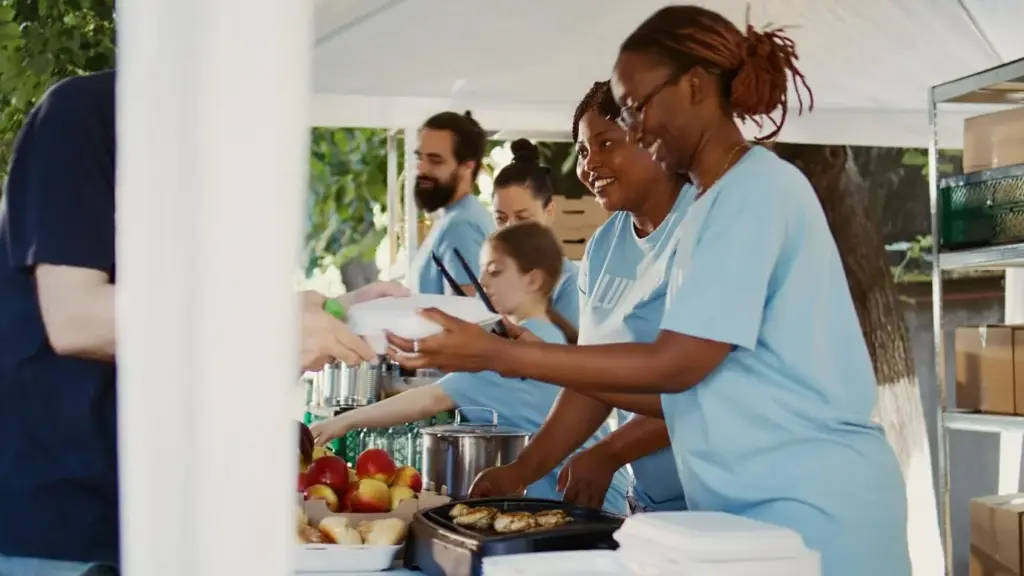
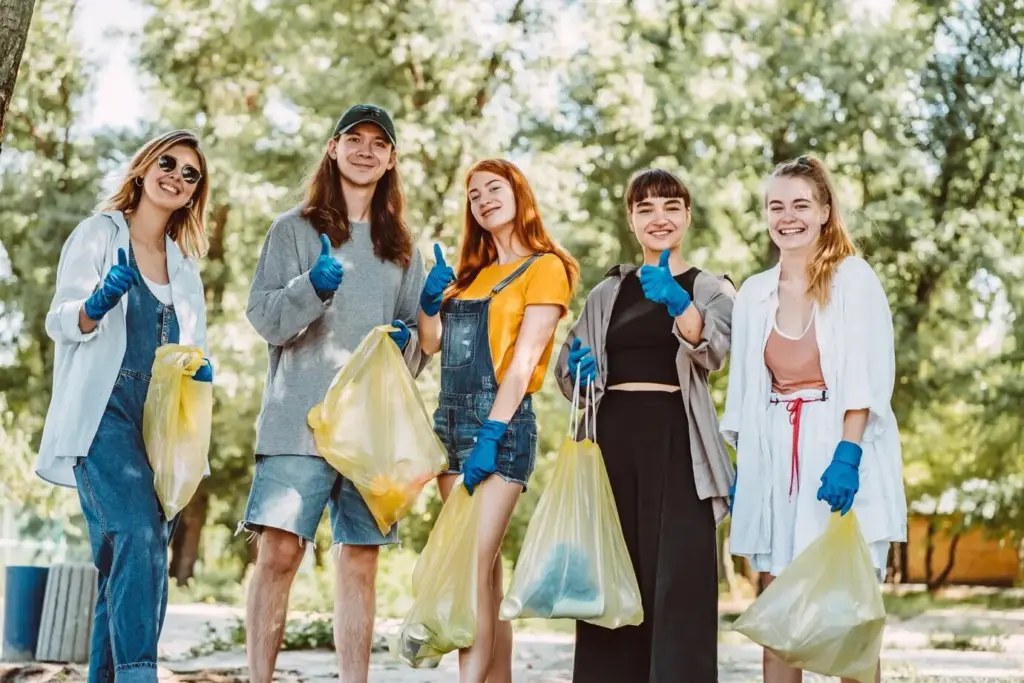
Working side by side on repairs, health outreach, or youth programs creates a common language faster than any textbook. Drawing on the contact hypothesis and cultural intelligence research, equitable roles, clear purpose, and community leadership encourage curious questions and patient listening. Share a moment when teamwork dissolved a stereotype for you, and tell us which conditions helped conversation feel honest, warm, and sustainable.
Preparing Teams for Intercultural Collaboration
Preparation beats improvisation. Before departure, teams practice micro-language, map power dynamics, and rehearse listening under pressure. Cultural intelligence grows through curiosity drills, reflective journaling, and scenario play. Involve local advisors from the start, budget for translation, and align success metrics with community priorities, not outsider timelines or vanity photos.
Compact Language Routines
Teach reliable phrases for turn-taking, numbers, safety, gratitude, and clarifying consent. Pair words with gestures and illustrated cards, accepting dialect variations as insight, not error. Normalize comfortable silences. Encourage everyone to learn names correctly, including tones or honorifics, as a daily ritual of respect that invites mutual patience.
CQ Warm-Ups and Reflection
Run brief simulations exposing assumptions about time, hierarchy, humor, and risk. Afterward, slow down to journal: what surprised you, who felt unheard, which values clashed. Introduce a pause word the group can use anytime confusion rises. Reflection keeps humility present when schedules tighten and egos want control.
Ethics and Reciprocity
Co-create expectations for data use, photo permissions, and storytelling rights so dignity travels home intact. Discuss fair compensation, local procurement, and leadership credit on reports. Plan for skill exchange both ways. Reciprocity stops extractive patterns and turns collaboration into kinship built on transparency, not hurried promises or post-trip regrets.

Daily Alignment Huddles
Hold ten-minute circles at dawn and dusk where everyone speaks briefly. Alternate languages, summarize decisions aloud, and document visible next steps. Invite questions from newer volunteers first to balance confidence. Closing with appreciation shifts tone from inspection toward partnership, especially when changes are necessary and face could otherwise be lost.

Artifact-Based Dialogue
Bring sketches, mock-ups, sample parts, and photos of options to the table. Pointing beats abstract arguing. People touch materials, brainstorm alternatives, and signal concerns without perfect grammar. This tactile approach respects high-context cultures, uncovers tacit knowledge, and reduces embarrassment, letting wisdom surface from craftspeople, parents, and youth leaders together.

Conflict as Co-Design
Treat tension as information. Map each story on a whiteboard, separate observations from interpretations, and hunt for shared interests. When misunderstanding appears, slow the pace, widen options, and prototype tiny trials. Recording agreements bilingually prevents drift and honors everyone’s voice, transforming disagreement into the next iteration, not a fracture.
Stories from the Field
Narratives travel where slides cannot. Partners recall a well installation that doubled as a classroom for patience, a health fair that reframed stigma, and an after-school program where games taught consent. These glimpses reveal micro-choices that carry relationships forward. Add your story; real details teach better than slogans ever do.

The Water Pump That Spoke Volumes
Jokes about “African time” nearly derailed a schedule until elders explained market days and funeral protocols guiding availability. Adjusted shifts honored these truths, and teens proposed a rotation calendar. The pump worked, yes, but respect flowed stronger; people stayed late to teach vocabulary, swap recipes, and rename tasks together.
Meals that Translate Commitment
A shared potluck with halal options, fasting accommodations, and vegetarian staples showed listening in action. Between bites, women mapped child-care constraints better than any survey. Men traded proverbs about patience and pride. When funding wobbled later, these meals held the partnership steady because hospitality had already braided trust.
Kids as Cultural Interpreters
Children invented hand-signal games for tool names and safety rules, dissolving adult awkwardness. Youth ambassadors translated jokes, corrected slang gently, and reminded everyone to play. Their leadership reframed expertise, making space for joy as a legitimate output. Invite young voices early; imagination hears possibilities adults often miss.
Digital Bridges Before and After Travel
Continuity matters as much as airfare. Start with online listening sessions, translate agendas beforehand, and set norms for response windows across time zones. Use captions, transcripts, and voice notes to equalize access. After returning, keep WhatsApp groups alive for updates, birthdays, and feedback, proving partnership is continuous, not seasonal.
Assessing Impact Without Silencing Nuance
Good evaluation hears voices, not just numbers. Mix bilingual surveys with story circles, photo elicitation, and participatory mapping so complexity is visible. Credit local definitions of success, from fewer clinic absences to revived festivals. Publish findings collaboratively and invite critique, strengthening learning loops while protecting dignity and informed consent.
Quant Signals with Context
Track attendance, task completion, and response times, but pair each number with a note explaining market cycles, harvests, or holidays affecting availability. Invite interpreters as co-researchers, not just translators. Their insights prevent overconfident conclusions and help you communicate results in ways neighbors recognize as truthful and useful.
Most Significant Change Story Circles
Gather small groups and ask which change felt most important and why. Record in preferred languages, then translate together, debating meaning respectfully. Share back publicly for validation. These narratives illuminate shifts in confidence, reputation, or cohesion that surveys miss, guiding future efforts with human detail instead of guesswork.
Accountability Lanes That Welcome Feedback
Create an advisory board including youth, elders, and project leads from every partner. Offer multiple complaint paths—anonymous boxes, hotline numbers, office hours—so power differences do not silence concerns. Publish responses and fixes. When people see adjustments happen, communication deepens, and collaboration becomes safer, smarter, and far more resilient.


All Rights Reserved.